
Japanese tea since 1991
Everything about Matcha. From the man who brought it to Europe.
Thomas M. Grömer, known as Teepapst, is a trained tea taster and studied Tea Science in Japan. Here, he shares what he has learned about the cultivation, harvesting, processing, and preparation of Japanese teas.
Latest Video

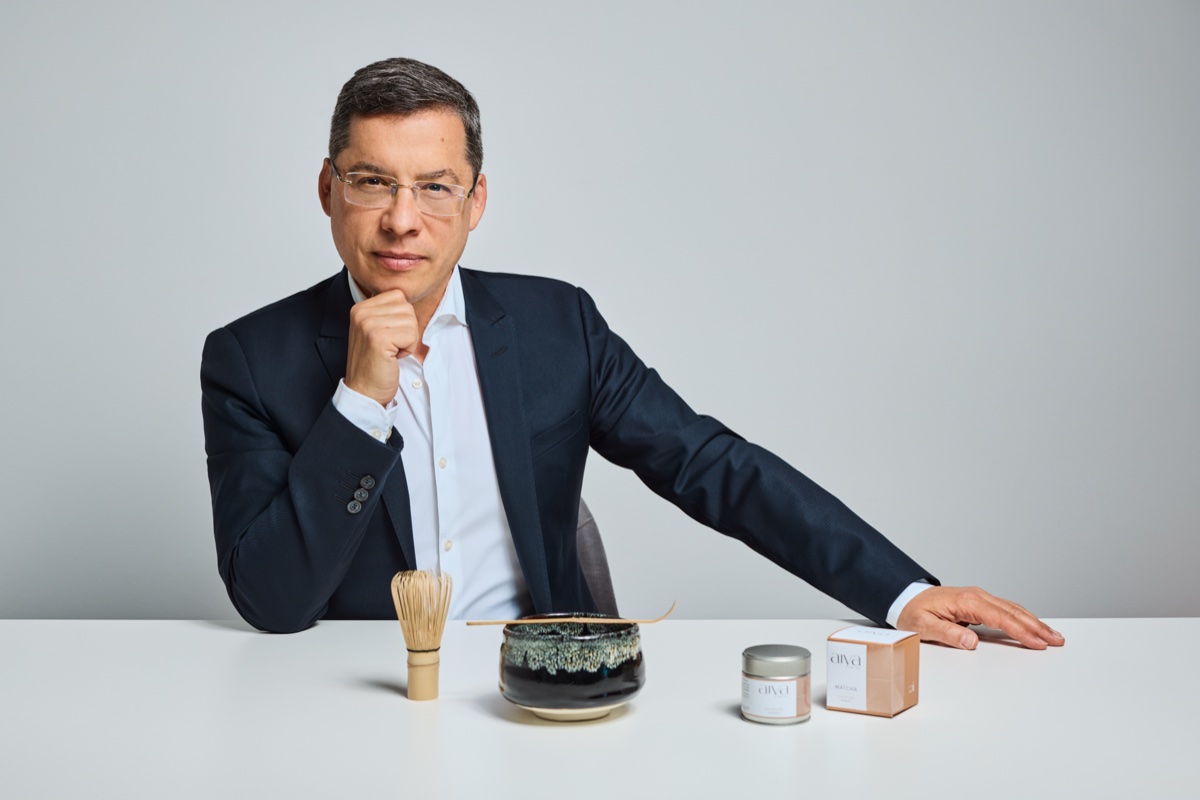
The Teepapst
Thomas M. Grömer
Thomas M. Grömer has been working with Japanese tea since 1991. He studied Tea Science in Japan, is a trained tea taster, and has traveled through Japanese growing regions for years. His specialty is Matcha: cultivation under shade nets, harvest timing, processing into Tencha, and grinding on stone mills.
- Studied Tea Science in Japan
- Trained Tea Taster
- Brought aiya – THE TEA to Europe
- YouTube channel, Instagram, and specialist lectures
Where would you like to go?
Three ways into the world of Japanese tea
01 — Understand
Tea Encyclopedia
Preparation, quality grades, origin. From the tea plant to the finished bowl.
02 — Buy
Teepapst Selected · aiya – THE TEA
You can find the entire range for private customers in the aiya – THE TEA webshop. There is a dedicated B2B area for foodservice and retail.
03 — Education
Masterclass
The Teepapst’s Tea Business Masterclass for everyone who wants to build or expand their own business with tea and Matcha.

New — exclusively for foodservice, hotels, and cafes
Teepapst Selected
Teas personally selected by the Teepapst for professional use. Tested for consistency in taste and color, designed in foodservice-sized packaging, and intended for daily preparation behind the counter.
Not available for retail sale. Order via the aiya – THE TEA B2B area with an existing business account.
Guidance
Which Matcha for which purpose?
Not every Matcha is made for every application. Harvest time, leaf selection, and grinding determine color, taste, and behavior in milk.
Ceremonial
First harvest, finest stone-mill grinding. For pure preparation with water. Intense umami, natural sweetness, vibrant green.
Barista
Tailored for Matcha lattes and milk drinks. Holds its own against milk and remains color-stable in the cup.
Cooking
For baked goods, ice cream, and patisserie. Stronger in flavor, heat-stable during processing.
FAQ
Briefly answered
How do I recognize good Matcha?
By color, smell, and texture. High-quality Matcha is vibrant green, smells fresh and sweet, and feels like powder between your fingers, not grainy. A dull yellow-green indicates a late harvest, coarse grind, or storage with exposure to light and oxygen.
How do I prepare Matcha correctly?
Sift about 2 g of Matcha through a sieve, pour in 60 to 70 ml of water at around 80°C, and whisk quickly with the Chasen in W-motions until a fine layer of foam forms. Boiling water makes the tea bitter.
How should I store Matcha?
Cool, dark, airtight, and separate from strong-smelling foods. An opened tin should be used within a few weeks, as Matcha loses color and aroma through oxygen exposure.
Can I buy directly from Teepapst?
On this site, you will find knowledge and guidance. Sales are handled via the aiya – THE TEA webshop, where you will find sections for both private and business customers.
Who is Teepapst Selected for?
The line is intended exclusively for restaurants, hotels, and cafes and is available via the aiya – THE TEA B2B area. It is not intended for private customers.
For further questions: Teepapst FAQ Assistant
Buy from aiya – THE TEA
Ready for real Japanese tea?
You can find the complete range for private and business customers in the webshop of our brand aiya – THE TEA.


