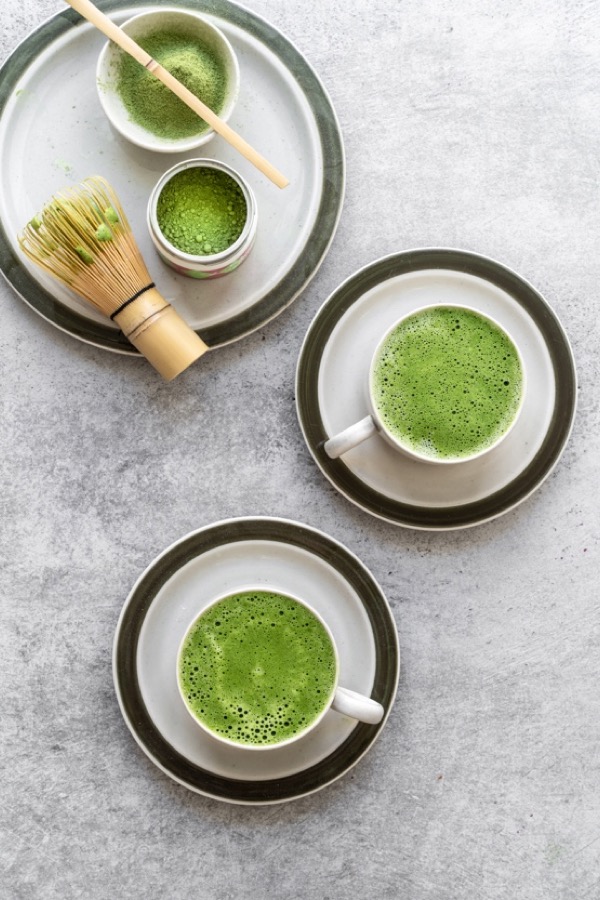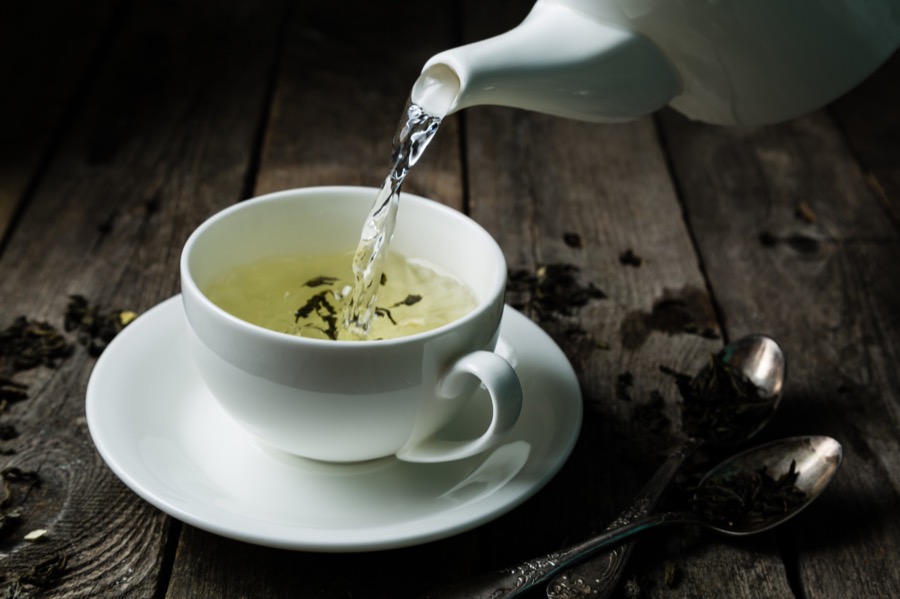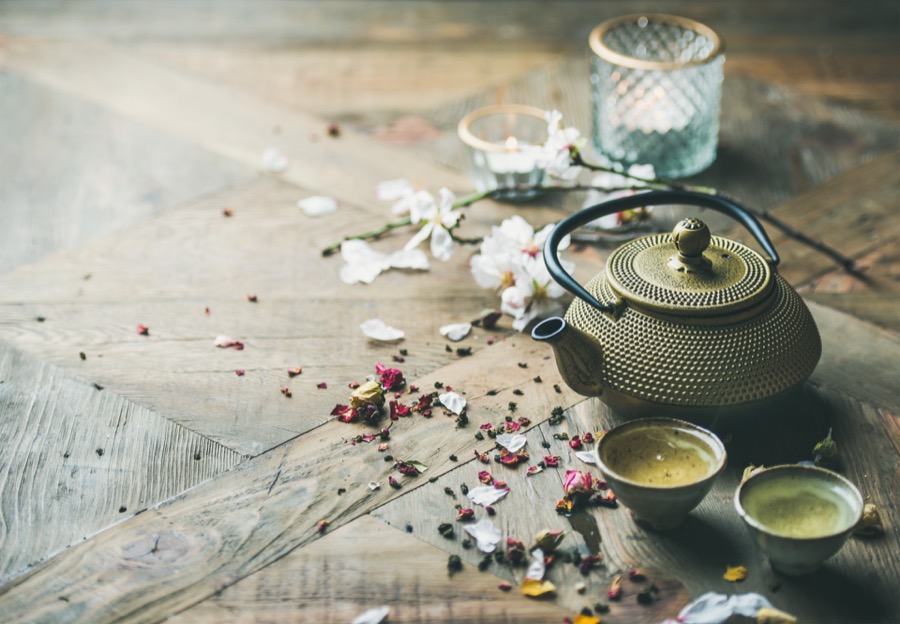
Like white and black tea, green tea comes from the camellia (Camellia sinensis or Camellia assamica). The crucial difference: green teas are not fermented, meaning they do not react with oxygen during the production process. Japanese green teas, in particular, are produced gently – almost all are steamed over hot water vapor to preserve the color and content of the leaves.
Processing
The harvested leaves quickly arrive at the Aracha factory. There, they are steamed to stop fermentation and preserve their green color. This is followed by multiple rolling and drying steps, which give the tea its typical shape. After quality sorting and removal of unwanted components, the leaves are combined into a blend.
Quality Characteristics
The ideal shape is a long, thin, straight needle; high-quality teas have smaller leaves than simpler varieties. Japanese teas are ideally bright green; a yellowish color indicates simpler quality. A fresh, green, juicy aroma indicates excellent quality, while an unclean or hay-like smell suggests inferior or older goods. The better the tea, the milder and sweeter it tastes – good Japanese green tea is never bitter but should always retain a fresh, green note.
Preparation
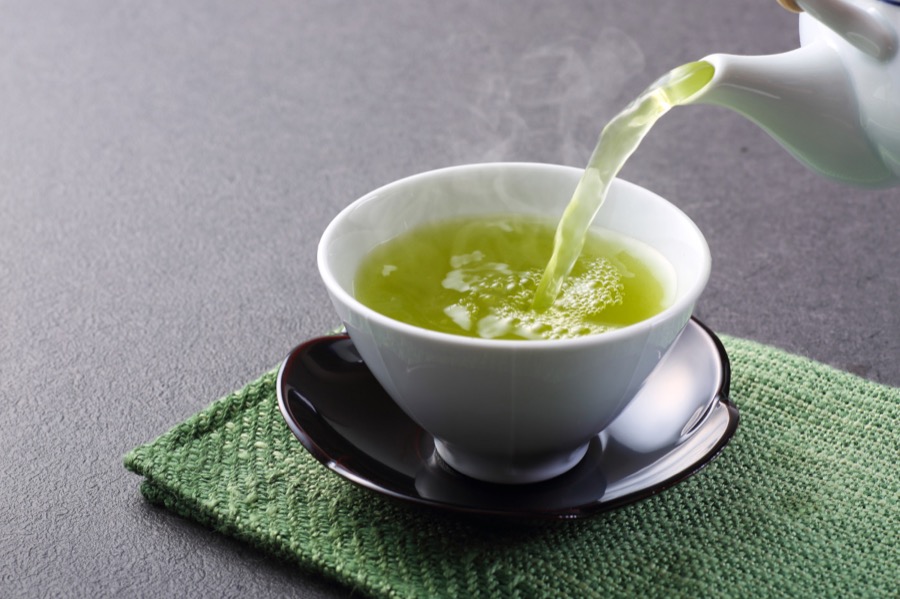
High-quality teas are brewed with water below 80 °C; simpler qualities can tolerate slightly higher temperatures.
Tasting
As a trained Tea Taster, Thomas M. Grömer personally tastes each batch; only teas rated as excellent are approved for a blend.
Storage
Store in a cool, dry, dark place, tightly sealed.
Discover More Topics