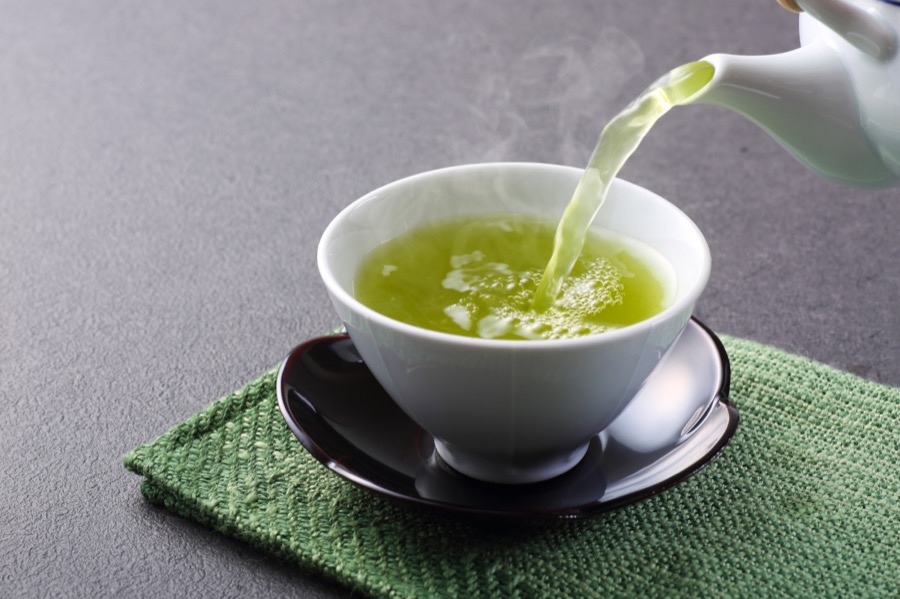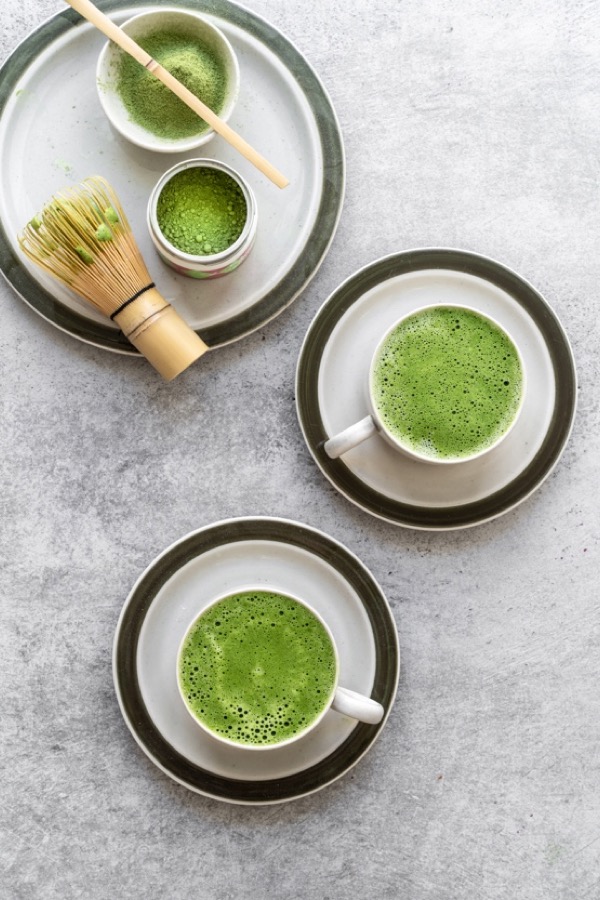
White tea is considered a particularly noble, subtly processed tea variety – even though its production is elaborate and time-consuming. Its origin lies in the Chinese province of Fujian, with the most famous varieties being Silver Needle Tea (Bai Hao Yinzhen) and White Peony (Bai Mu Dan). Meanwhile, white tea is also produced in other regions, but rarely achieves the quality of Fujian teas there.
Harvest
The harvest is limited to a few days in spring. For the high-quality Yin Zhen variety, only the uppermost, still closed leaf buds are hand-picked – approximately 30,000 buds are needed for one kilogram.
Processing
White tea is the least processed of all tea varieties. After harvesting, tea farmers sort the leaves, some are peeled, followed by wilting and controlled sun-drying – or in ventilated, heated rooms during humid weather. Heat and drying lead to a slight fermentation, which gives the tea its delicate aroma. After a moisture loss of 80 to 90%, further drying at 100 °C and another manual sorting follow.
Appearance and Taste
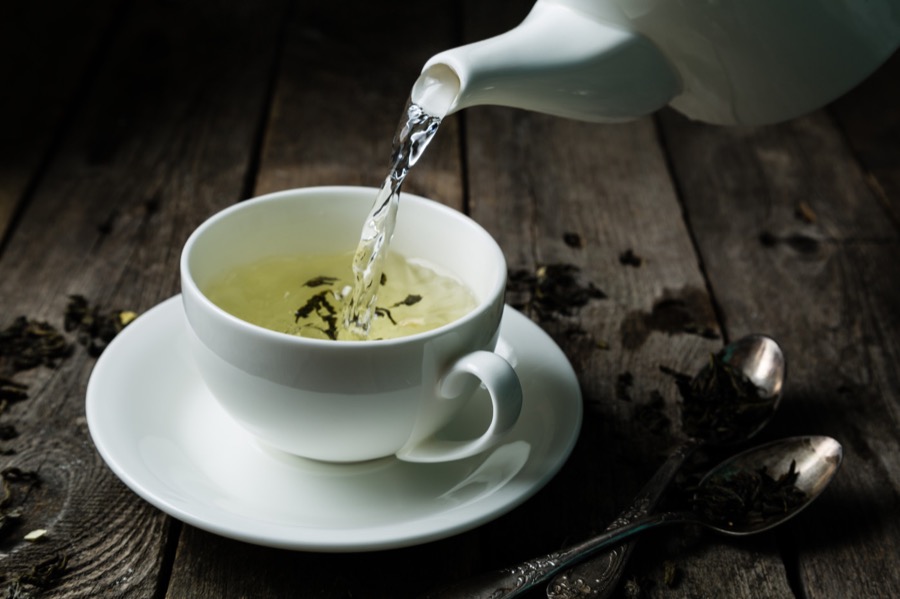
Its name comes from a fine, light down that surrounds the leaves. The infusion is light and almost transparent, the taste mild and floral – never bitter.
Preparation
Steep with approximately 70 °C hot water for two to three minutes and drink rather lukewarm. Traditionally, it is infused multiple times.
Storage
Store in a cool, dry place, protected from light, and tightly sealed.
Discover more topics